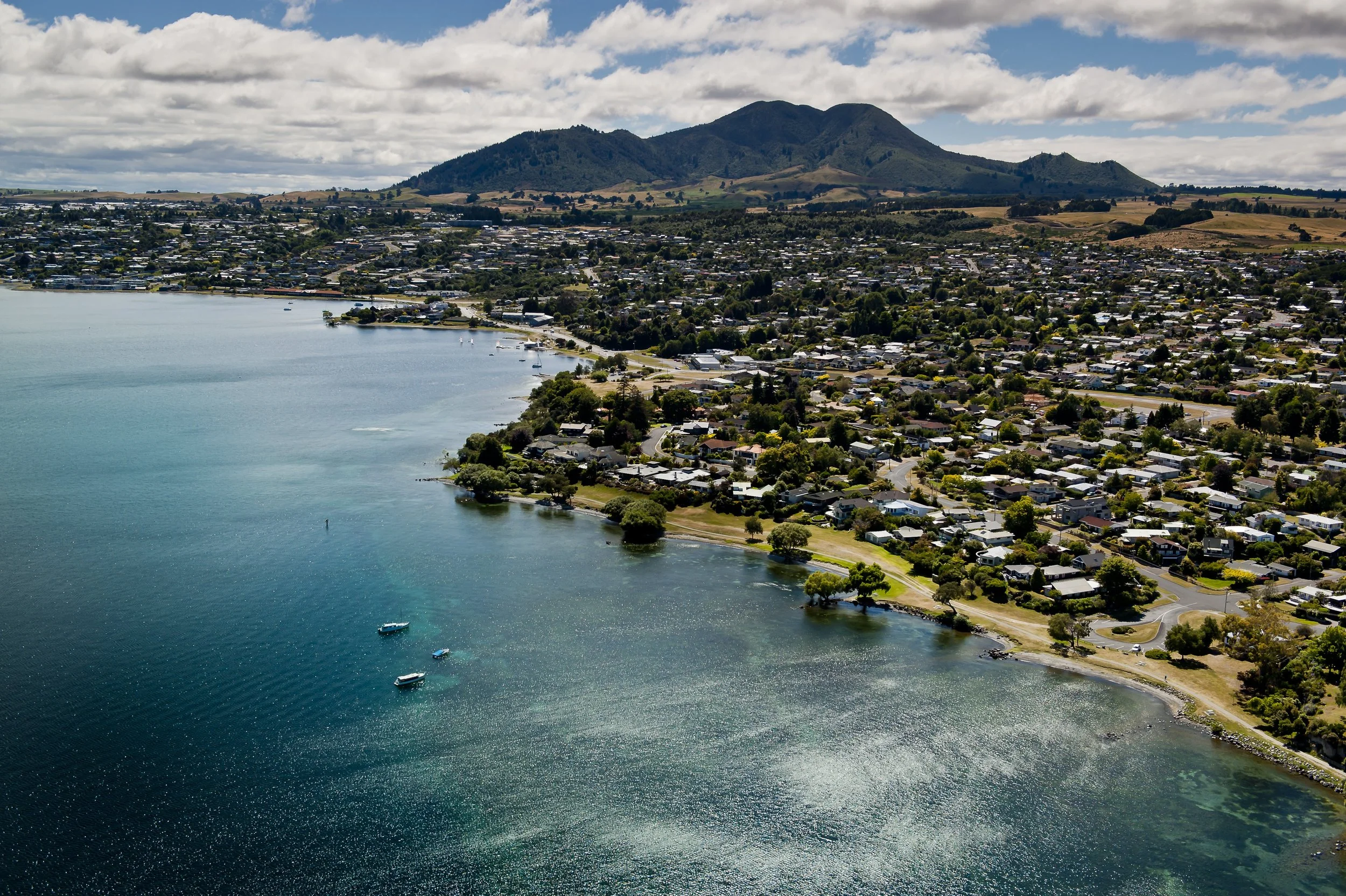
Ka ora te Whenua
Regenerate

Whakaora Ngā Taonga Tuku Iho ō Tauhara Maunga — Building kaitiaki capability for the future
Goal
Ka Ora Te Whenua — Regenerate
Location
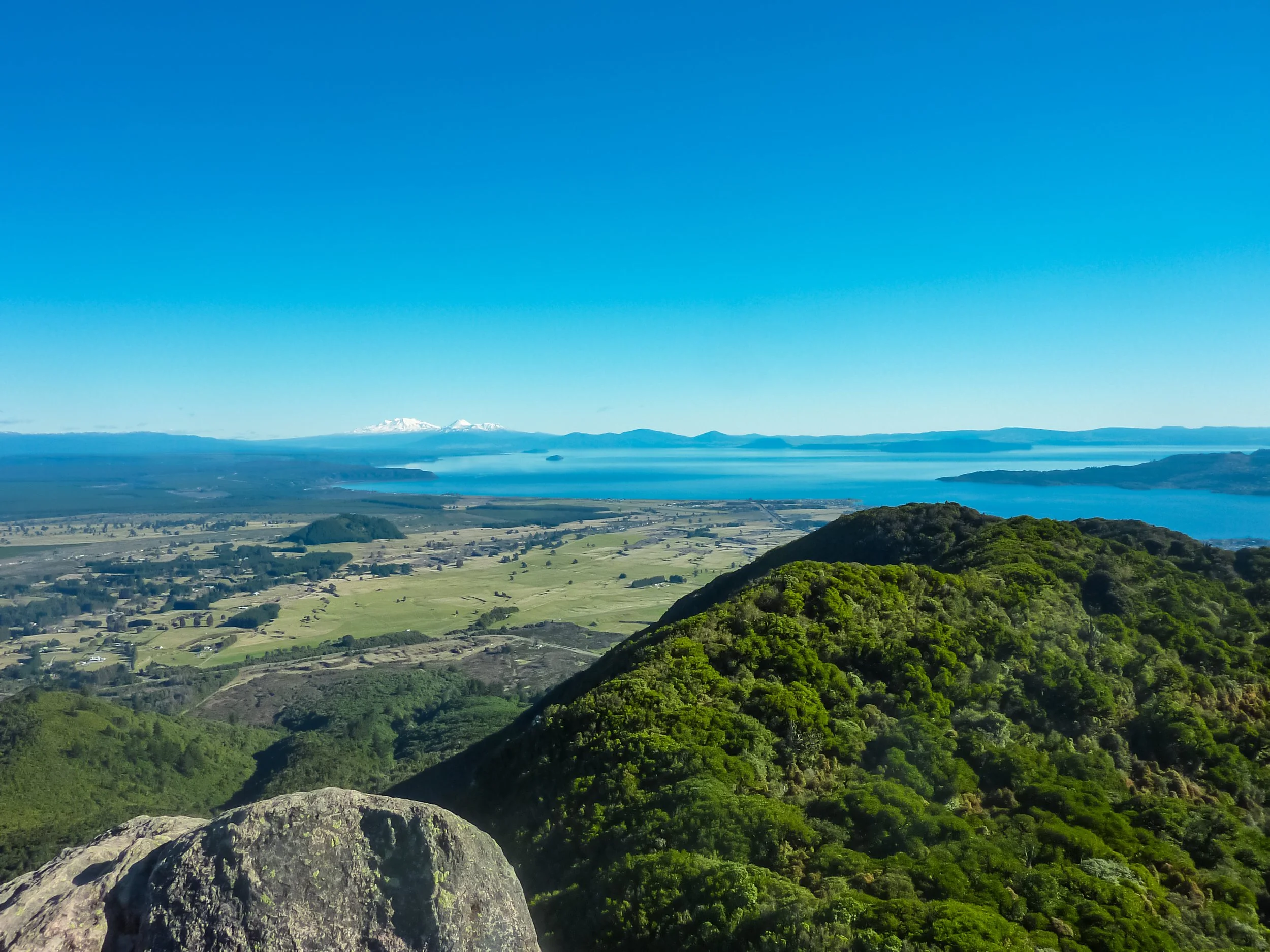
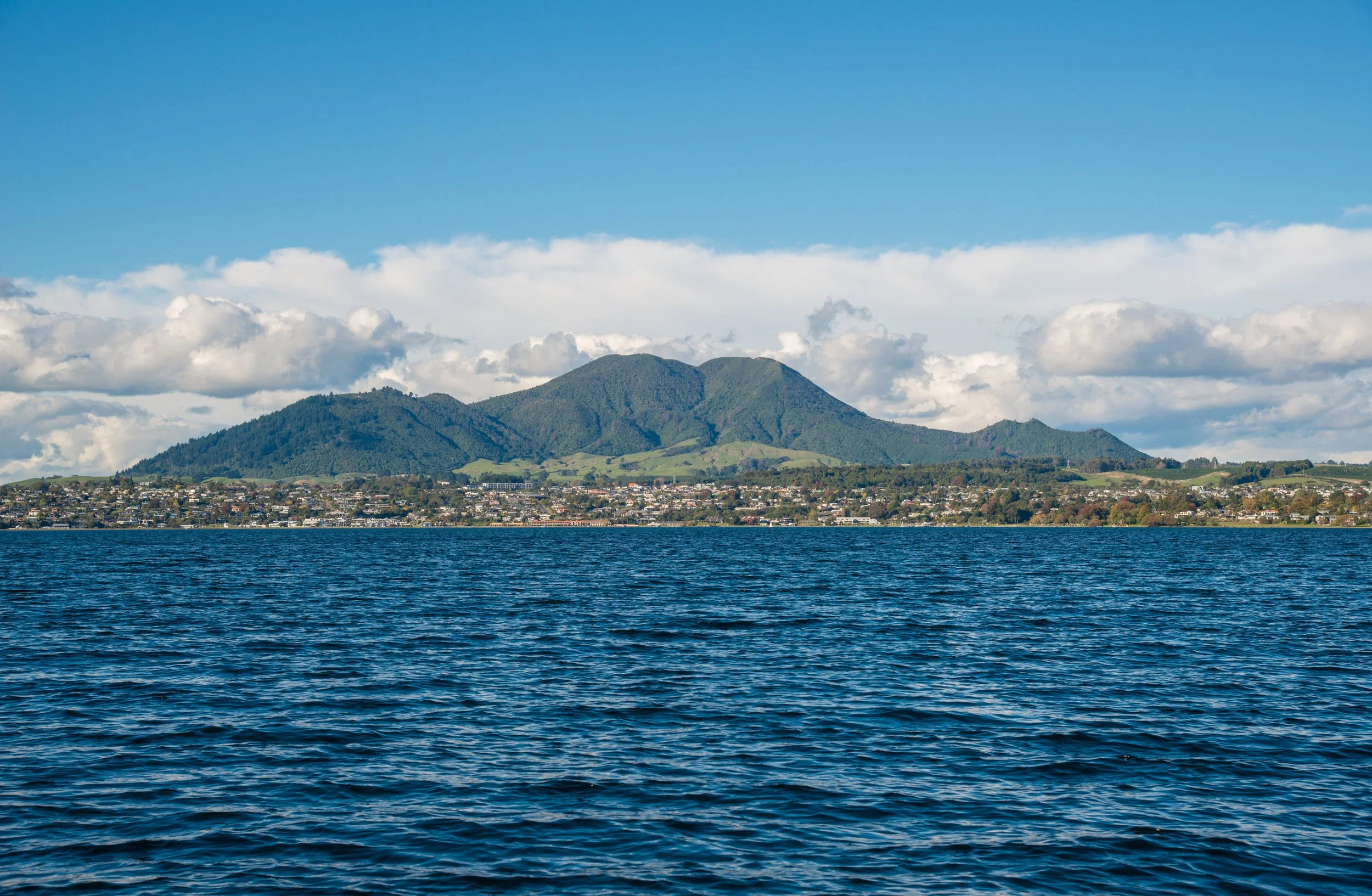
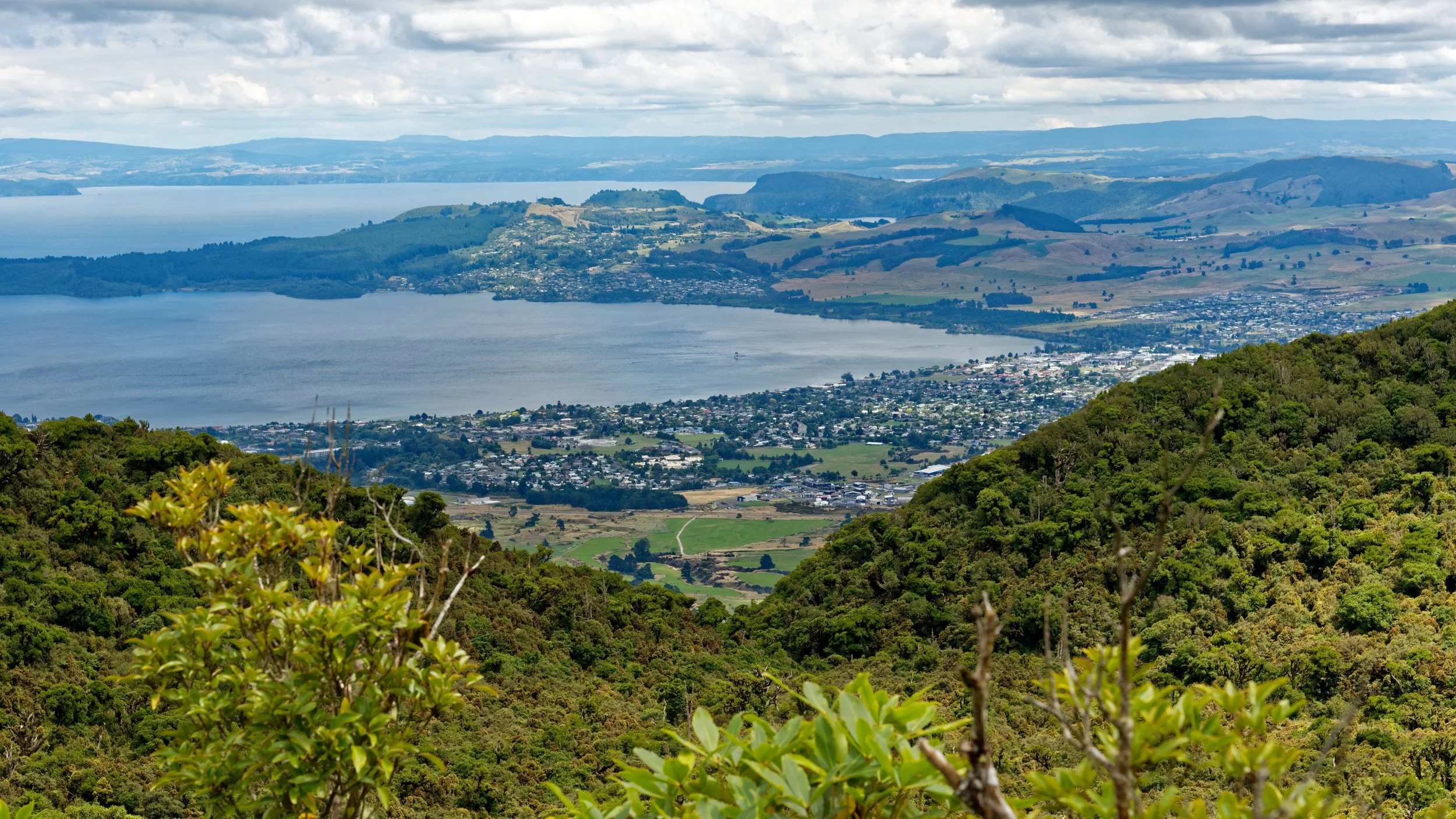
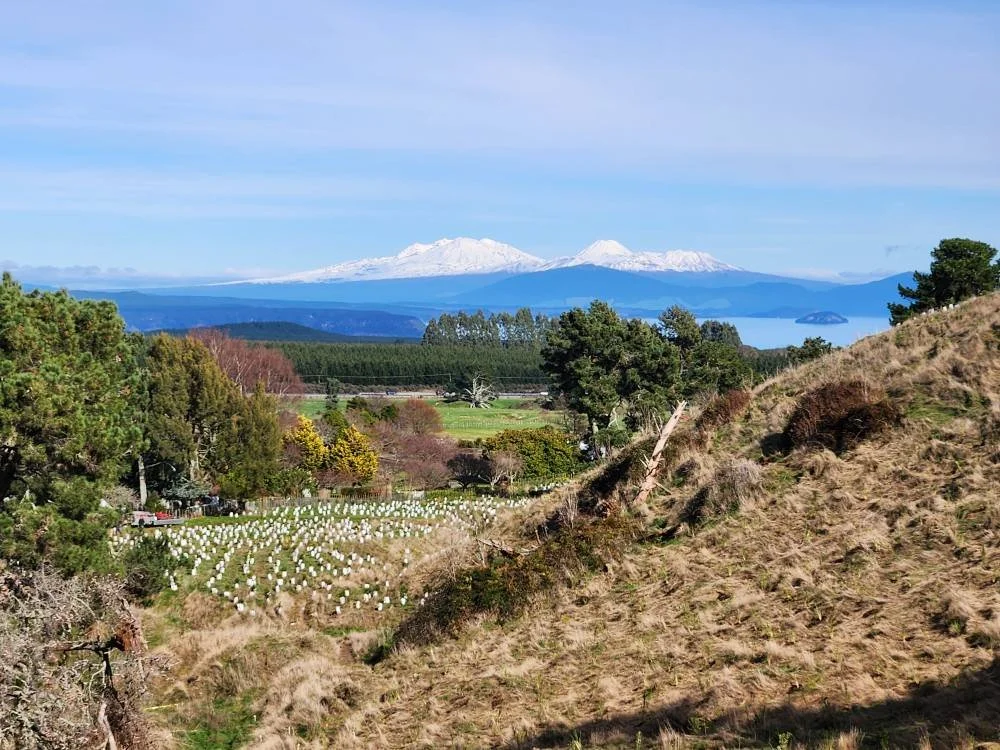
Tauhara Maunga eastern and northern flanks
Lead Partners
Tauhara Mountain Trust and Te Mana o Tauhara
A staged predator suppression project and capability development programme protecting newly established ngahere, creating taiao conditions for taonga species to return, and building Māori-led workforce to be kaitiaki for generations to come.
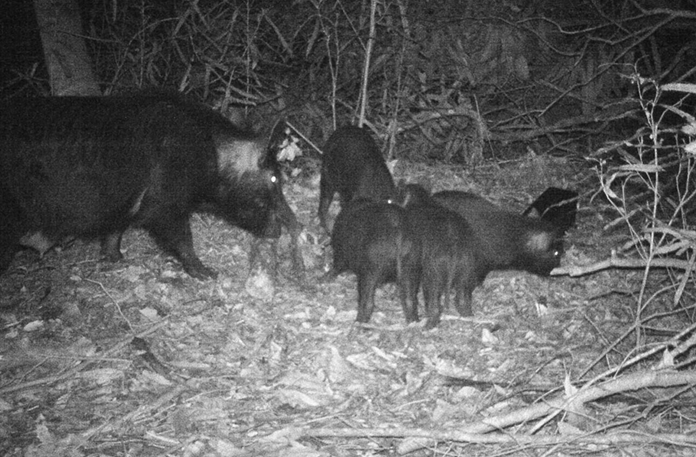
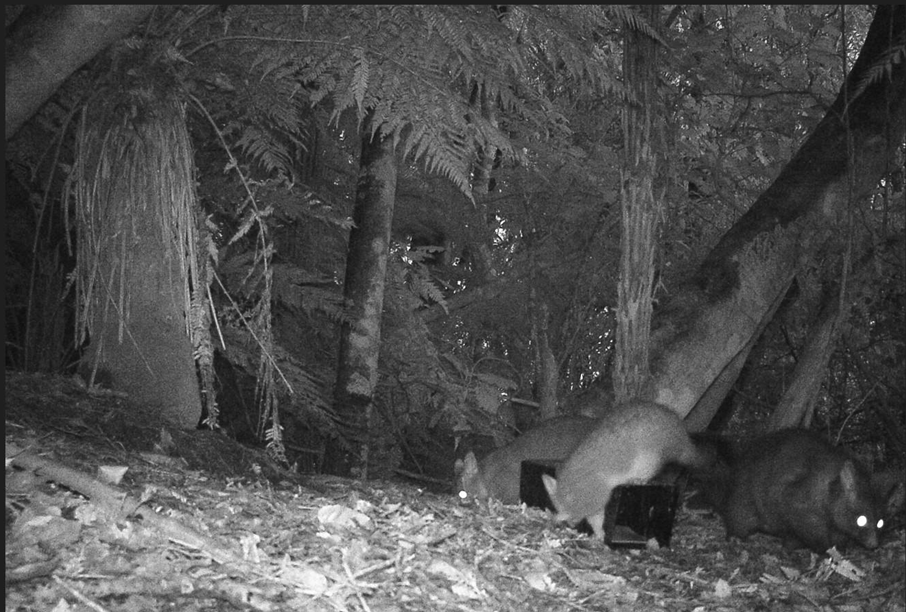
Images: Pigs and possums captured on trail cam footage (2025)
You can plant 20,000 new trees and lose many of them to possums, deer, hare and other browsers if you have not adequately protected them. Pest management is not a separate activity from restoration. It is what makes restoration stick.
Te Mana o Tauhara and Tauhara Mountain Trust established Whakaora Ngā Taonga Tuku Iho ō Tauhara to build a permanent, Māori-led pest management buffer zone across Tauhara Maunga. This is not just a pest control programme. It is an investment in the kaimahi, the mātauranga, and the monitoring infrastructure that will build capacity and culture to ensure the restoration kaupapa continues for generations.
In 2026, the first operational year was delivered across approximately 250 hectares of the southern and eastern flanks of the maunga, establishing a predator suppression buffer protecting newly planted ngahere and creating the conditions for taonga species to return. This includes establishment of a 15km network of access tracks was cut, 240 bait stations and predator traps installed across the wider 250 hectare control area.
Delivery is led by Ngā Mahi Kaha Ltd, employing 12 kaimahi with many who hold whakapapa to this whenua. Field teams are culturally inducted, operations are guided by the maramataka, and mātauranga Māori is integrated alongside western ecological science including TrapNZ monitoring and trail cameras. The programme aligns with DOC and Predator Free Taupō national standards.
The programme intends to support capability development through rangatahi internships, kaimahi accreditation, and a Tūwharetoa-centric monitoring framework that will track taiao indicators unique to the Taupō rohe, including the return of pikopiko and native manu to the maunga.
Ngā mihi to our Project Supporters and Funders: Ngā Mahi Kaha Ltd, Waikato Regional Council, OSPRI, Wairakei Pastoral, and Contact Energy.
Key Stats
-
250
hectares under active pest management
-
12
kaimahi engaged in employment and training through the project
-
240
bait stations protecting the possum suppression buffer
-
150+
predator kill traps targeting rats, stoats, cats, and ferrets
-